

The Myth of the “Automated” CDMO: Why I’m Relying on Human Friction to Scale By: Amit Bansal, Managing Director, THEON Group of Companies
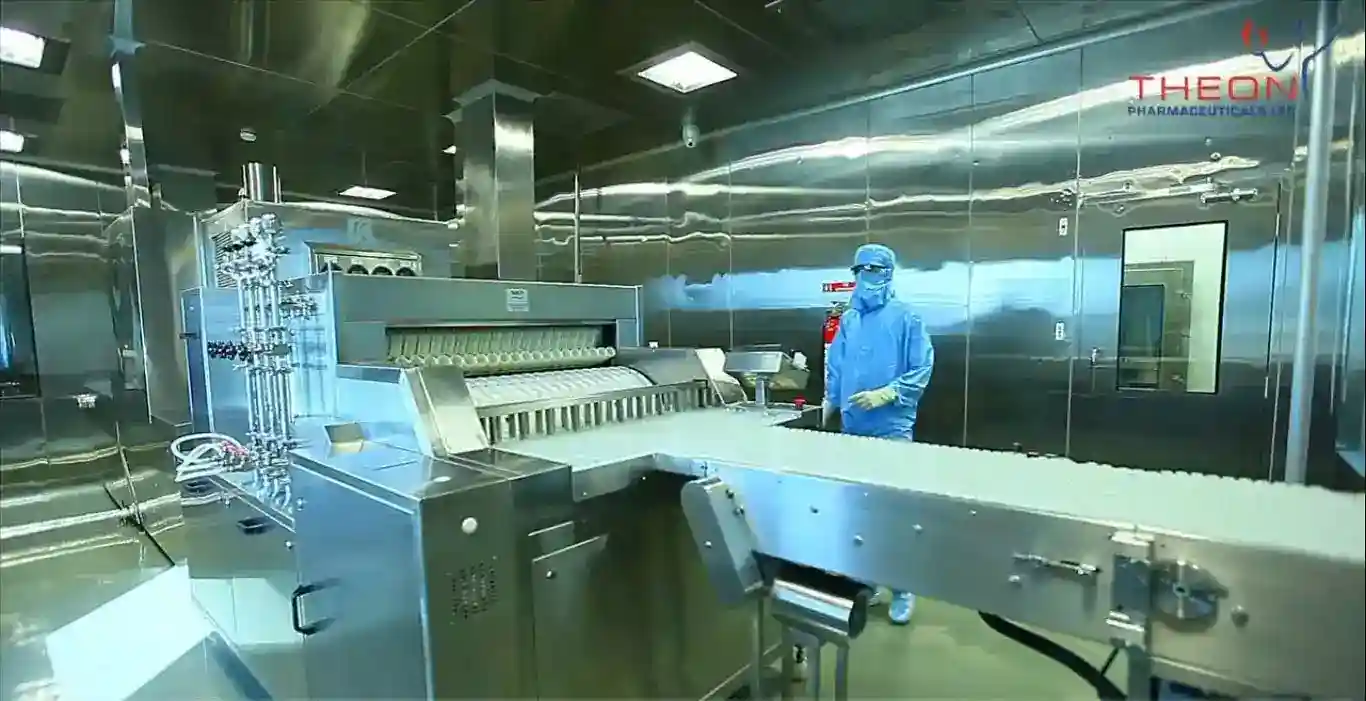
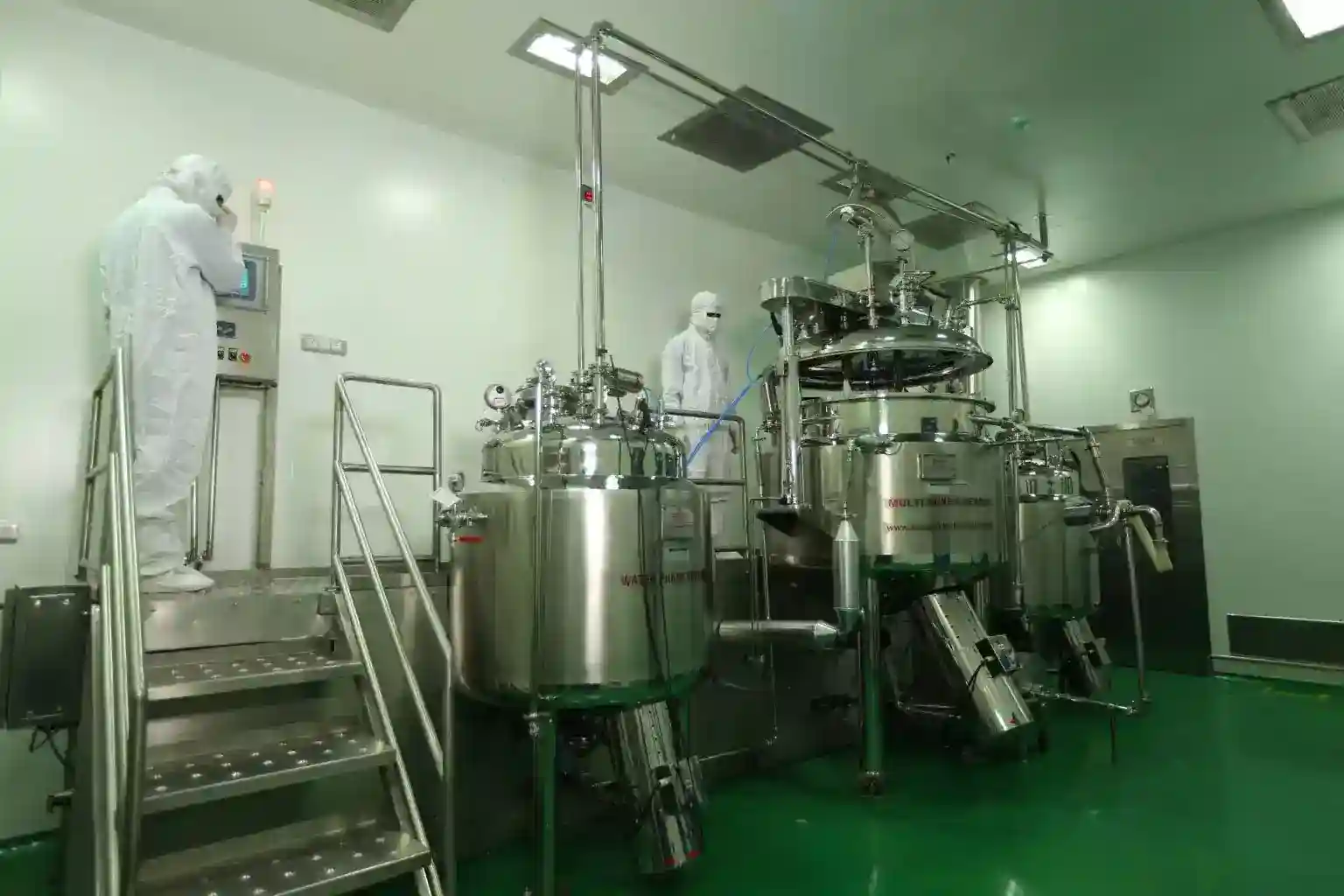
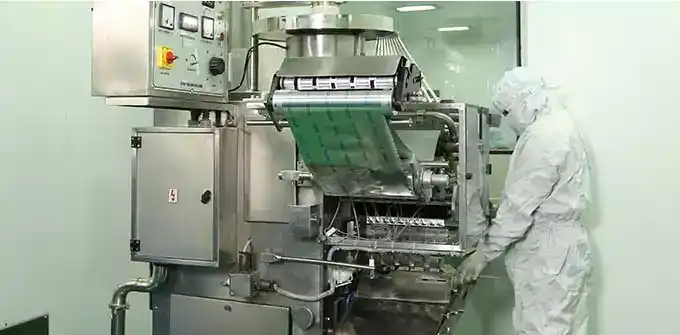
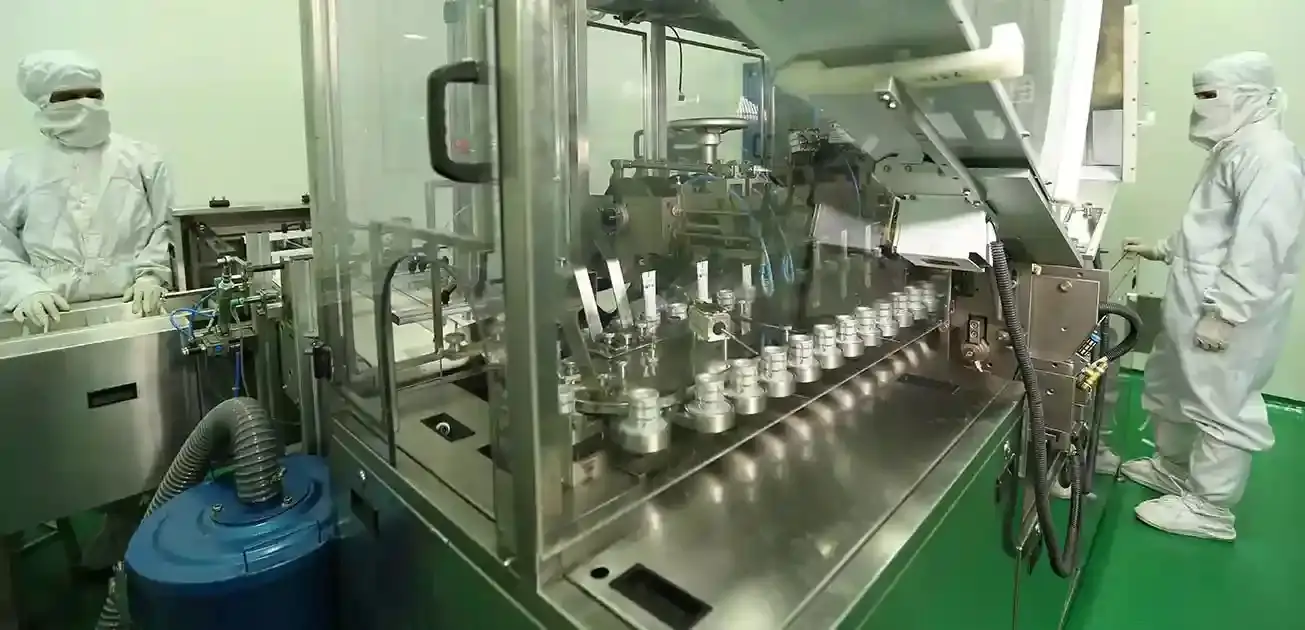
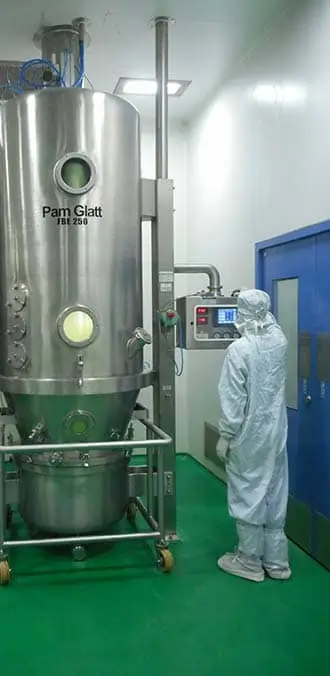
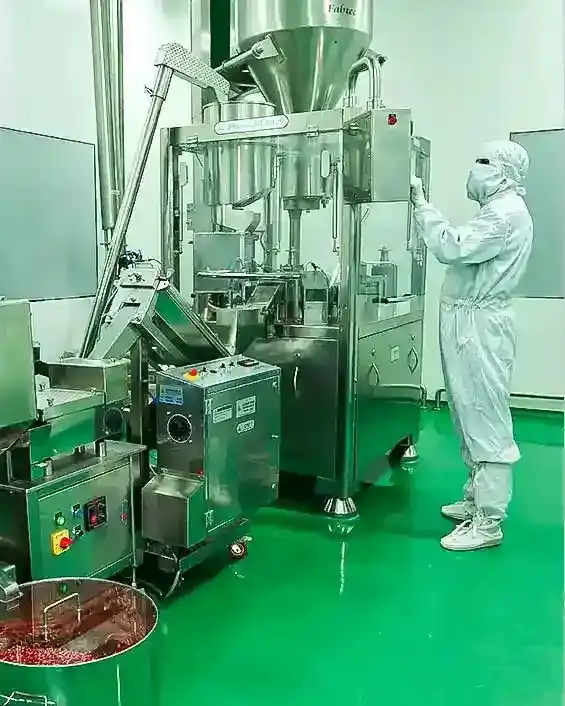
I’m struggling with the current obsession over automation in the Indian pharma sector. Every week, another CDMO announces a new “fully automated” facility. Zero human intervention. Robotic arms. AI-driven tech transfers. The industry consensus is that if we can just remove the human element, we remove the risk. I disagree with the consensus. I suspect we are just building highly efficient machines that can scale a failed batch faster than ever before. When you scale a manufacturing footprint to handle 120 million sterile liquid vials—like we are currently doing at THEON Lifesciences in Derabassi—the machines aren’t the bottleneck. The machines do exactly what they are told. That is the problem. The Boardroom Friction Last week, we were reviewing the tech transfer for a highly complex, temperature-sensitive CNS formulation. The data from the automated lyophilization cycle looked perfect on the dashboard. It was green across the board. Our senior QA lead halted the transfer anyway. She didn’t like the ambient humidity variance in the staging area just outside the ISO Class 5 cleanroom. The software said it was within acceptable limits. Her ten years of floor experience said it was a disaster waitingto happen. We lost two days of production time running secondary validations. She was right. The software missed a micro-variance that would have triggered a massive OOS (Out of Specification) failure upon commercial scale-up. This is the reality of the CDMO war today. Global drug shortages aren’t happening because we lack compounding tanks. They are happening because USFDA and EMA inspectors are handing out record numbers of Form 483s for ALCOA+ data integrity failures. In 2025 alone, we saw warning letters spike precisely in facilities that over-relied on automated data logging without rigorous human oversight. The “Human Interface” is a Feature, Not a Bug The prevailing myth is that human error is the enemy of sterile manufacturing. Human apathy is the enemy. Human friction is the safeguard. You cannot automate the paranoid, obsessive intuition of a seasoned microbiologist. You cannot write an algorithm that replaces a QC analyst’s willingness to argue with a Plant Head over a marginal test result. As we scale our R&D operations and commercial manufacturing lines this financial year, I am not interested in a frictionless environment. Friction means someone is paying attention. We are investing heavily in what we call the Transfer of Wisdom. It is our internal mentorship architecture. We are deliberately taking our most argumentative, battle-tested senior scientists and pairing them with our new walk-in hires. We aren’t teaching these 24-year-olds how to read an HPLC output. The machine does that. We are teaching them that they hold the absolute authority to stop a 5-million rupee production run if their gut tells them the data doesn’t add up. The Reality of Scale Yes, the “China Plus One” geopolitical shift is pushing unprecedented volume to India. Yes, we have built the 120M vial capacity, the zero-skin-exposure lines, and the PIC/S compliant infrastructure to capture it. But capacity is just steel and code. If you are a Supply Chain Director looking for a CDMO to anchor your FY26 portfolio, stop asking your vendors about their robotic capabilities. Start asking them about their culture of pushback. Ask them how many times their QA department halted production last month. If the answer is zero, walk away. We are scaling our technology. But we are anchoring our survival on the human interface.